
Beyond the Pose: Understanding Breath, Bandhas & Mudras in Yoga
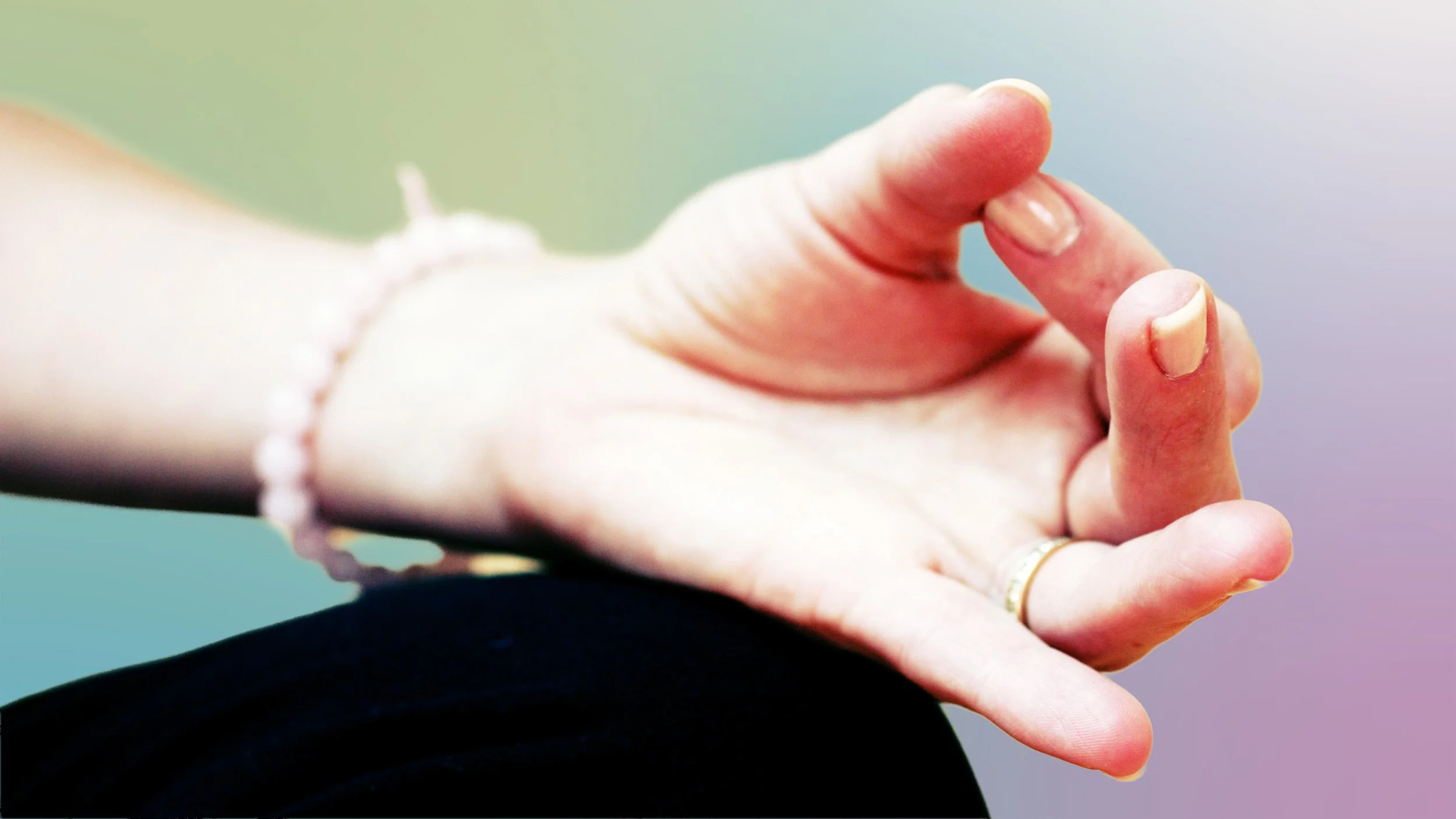
Many yoga students hear words like bandha, mudra, or pranayama in class but aren't quite sure what they mean. These traditional practices help explain the deeper layers of yoga beyond the physical poses.
Yoga often begins with movement.
We step onto the mat to stretch, strengthen, or release tension from the week.
But over time something else starts to happen.
We begin to notice the quieter layers of the practice. The breath. Subtle engagement. Small shifts in awareness that change how a pose feels from the inside.
Many students eventually hear words in class like pranayama, bandhas, or mudras and quietly wonder what they mean.
If you've ever heard these terms in class and felt unsure about them, you are not alone. Many yoga students begin exploring these ideas after practicing for a while.
These elements are part of yoga’s deeper framework. They influence how energy moves through the body, how the nervous system responds to practice, and how a pose feels from the inside out.
Understanding breath, bandhas, and mudras can bring a new level of clarity and depth to your yoga practice.
At Prana Yoga Center, these quieter aspects of yoga are woven naturally into many classes, often revealing themselves gradually through practice rather than explanation alone.
These subtle practices are part of what moves yoga beyond physical poses and into a deeper experience of awareness.
They are often what keep students returning to the mat not just for movement, but for the feeling of clarity and steadiness that follows.
What Are Breath, Bandhas, and Mudras in Yoga?
In yoga, pranayama (breath practices), bandhas (subtle energetic engagements), and mudras (intentional hand gestures) are traditional tools used to guide breath, support stability, and focus awareness during practice.
While they may sound complex at first, these subtle tools often become clear through experience.
Over time, you may begin to notice how your breath guides movement, how gentle muscular engagement supports stability, and how small gestures shift the quality of your attention.
Everything in yoga begins with the breath.
Pranayama: The Power of the Breath
You are already breathing all day long. In yoga, however, breath becomes intentional.
Pranayama refers to yogic breathing practices that guide and regulate the breath in order to influence prana, or life energy.
You may have already experienced the power of breath without realizing it.
A long exhale that softens stress.
Shallow breathing during moments of anxiety.
A few deep breaths that help your body settle before sleep.
Breath is one of the most direct ways to communicate with your nervous system.
When you slow and guide the breath, the body often responds with greater calm and clarity.
In yoga practice, breath becomes the thread that connects movement, awareness, and stability.
Breath awareness is also an important part of practices like meditation and Restorative Yoga & Nidra, where the body is supported in stillness while the breath and awareness become the focus of the practice.
Many students discover that simply paying attention to their breath changes the entire experience of a pose.
Sometimes the most powerful changes in a pose are the ones no one else can see.
Bandhas: Subtle Support Within the Body
Another word that sometimes creates curiosity in yoga classes is bandha.
Bandha is a Sanskrit term that means “lock” or “seal.” In practice, bandhas are subtle engagements within the body that create support, stability, and a sense of internal lift during yoga practice.
Rather than forceful contractions, bandhas are gentle actions that create stability and internal lift.
Three primary bandhas are often explored in yoga practice.
Mula Bandha (Root Lock)
Mula Bandha involves a subtle engagement of the pelvic floor muscles. When practiced gently, it can create a feeling of grounding and internal support. As you become familiar with this engagement, you may notice more stability in standing and balancing poses.
Uddiyana Bandha (Upward Abdominal Lift)
Uddiyana Bandha engages the lower abdomen and supports the spine. This subtle engagement often creates a sense of lightness in movement and helps support transitions between poses.
Jalandhara Bandha (Throat Lock)
Jalandhara Bandha is sometimes used during seated breathing practices. It involves gently lowering the chin toward the chest and can help regulate breath pressure and direct awareness inward.
Bandhas are rarely obvious from the outside. Yet as you begin to recognize them, you may notice balancing poses feel steadier, breath practices feel clearer, and movement becomes more supported.
Mudras: Hand Gestures That Influence Awareness
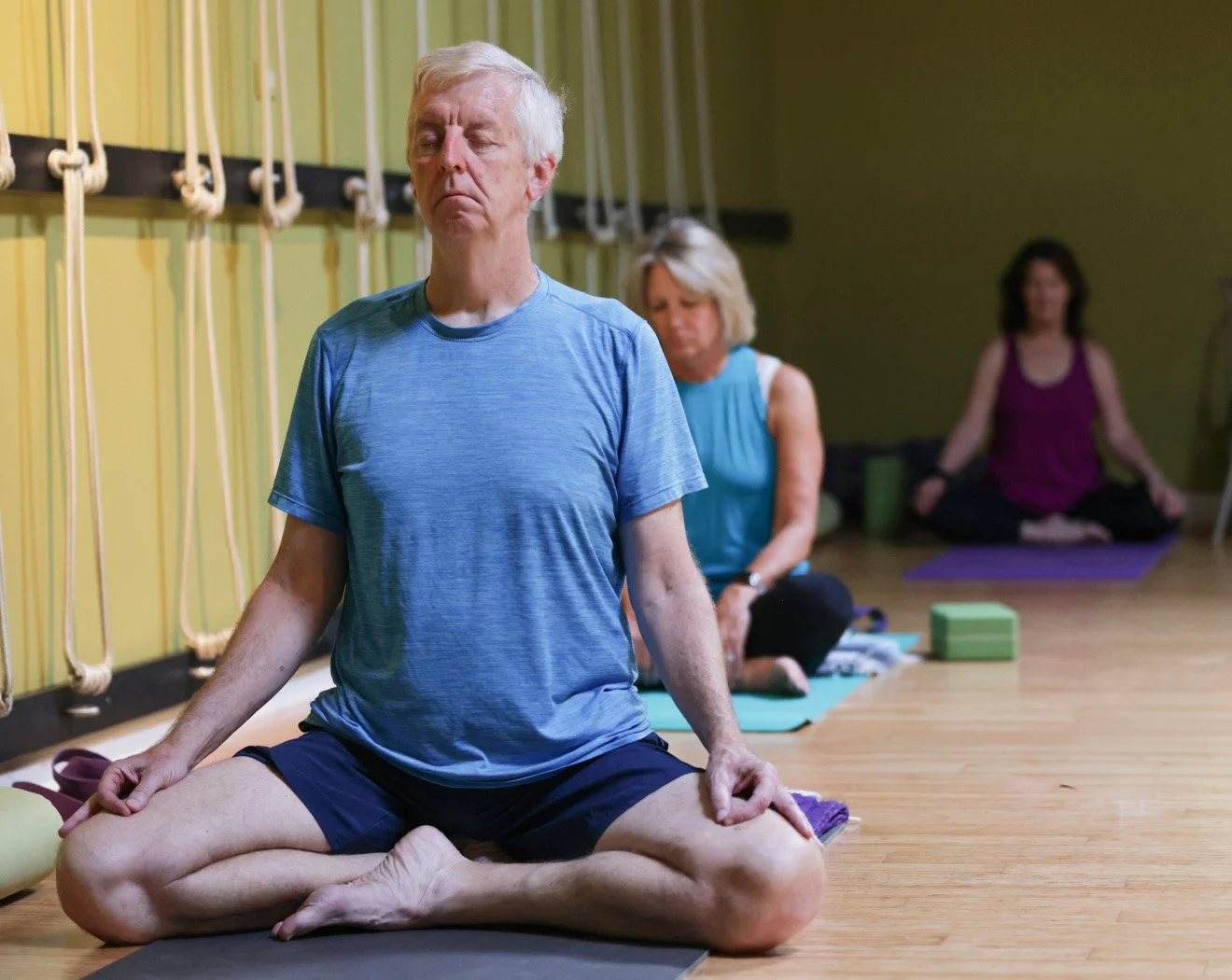
Students practicing quiet awareness during a meditation moment at Prana Yoga Center.
Mudras are another subtle but powerful element of yoga practice.
A mudra is a specific hand gesture used in yoga and meditation to influence energy flow and focus the mind.
Although the movements are simple, mudras can shift the quality of attention during meditation or breathing practices.
One common example is Gyan Mudra, where the thumb and index finger gently touch while the hands rest on the knees during meditation. This gesture is traditionally associated with clarity and receptivity.
You may notice that even small gestures in the hands can influence how your mind and body feel.
Mudras remind us that yoga is not only about large movements. Sometimes the smallest adjustments create the most meaningful shifts in awareness.
Moving Beyond the Physical Poses
For many students, yoga begins as a physical practice.
You may come to the mat to stretch, strengthen, or unwind after a long day. Over time, curiosity often expands beyond the shapes of the poses.
You might begin to notice how breath influences movement.
How subtle muscular engagement creates stability.
How moments of stillness change the way you experience a pose.
Breath, bandhas, and mudras offer a bridge between the physical and energetic layers of yoga.
They gently invite the practice to shift from simply doing poses to experiencing yoga as awareness.
For many students, these subtle elements are what transform yoga from exercise into a lifelong practice.
Frequently Asked Questions About Breath, Bandhas and Mudras
-
Pranayama refers to yogic breathing practices that regulate the breath in order to influence energy, focus, and nervous system balance.
-
Bandhas are subtle muscular engagements used in yoga to support posture, stability, and the flow of energy in the body.
-
Mudras are hand gestures used in yoga and meditation to influence energy, deepen concentration, and support mindfulness.
For many students, this is the moment when yoga begins to feel different.
Exploring These Practices More Deeply
If you feel curious about these quieter aspects of yoga, exploring them with guidance can be incredibly helpful.
At Prana Yoga Center, we occasionally offer workshops that explore these practices in greater depth.
The Power of Breath, Bandhas and Mudras instructor Sarah Lindgren guides students through a clear and accessible exploration of these traditional yogic tools.
You will have the opportunity to explore:
• foundational pranayama breathing practices
• how bandhas support stability and posture
• the meaning and use of traditional mudras
• ways these practices can support your personal yoga practice
This workshop is welcoming to curious students as well as yoga teachers seeking continuing education.
If you have ever wondered what these cues mean when you hear them in class, this workshop offers a supportive place to explore them more fully.
→ Learn more about the Sunday, March 15 workshop
Many of these subtle aspects of yoga are explored regularly in our classes at Prana Yoga Center. You can learn more about the different styles we offer on our class descriptions page.