
What Is Yoga Nidra? A Beginner’s Guide to the Deep Rest Meditation
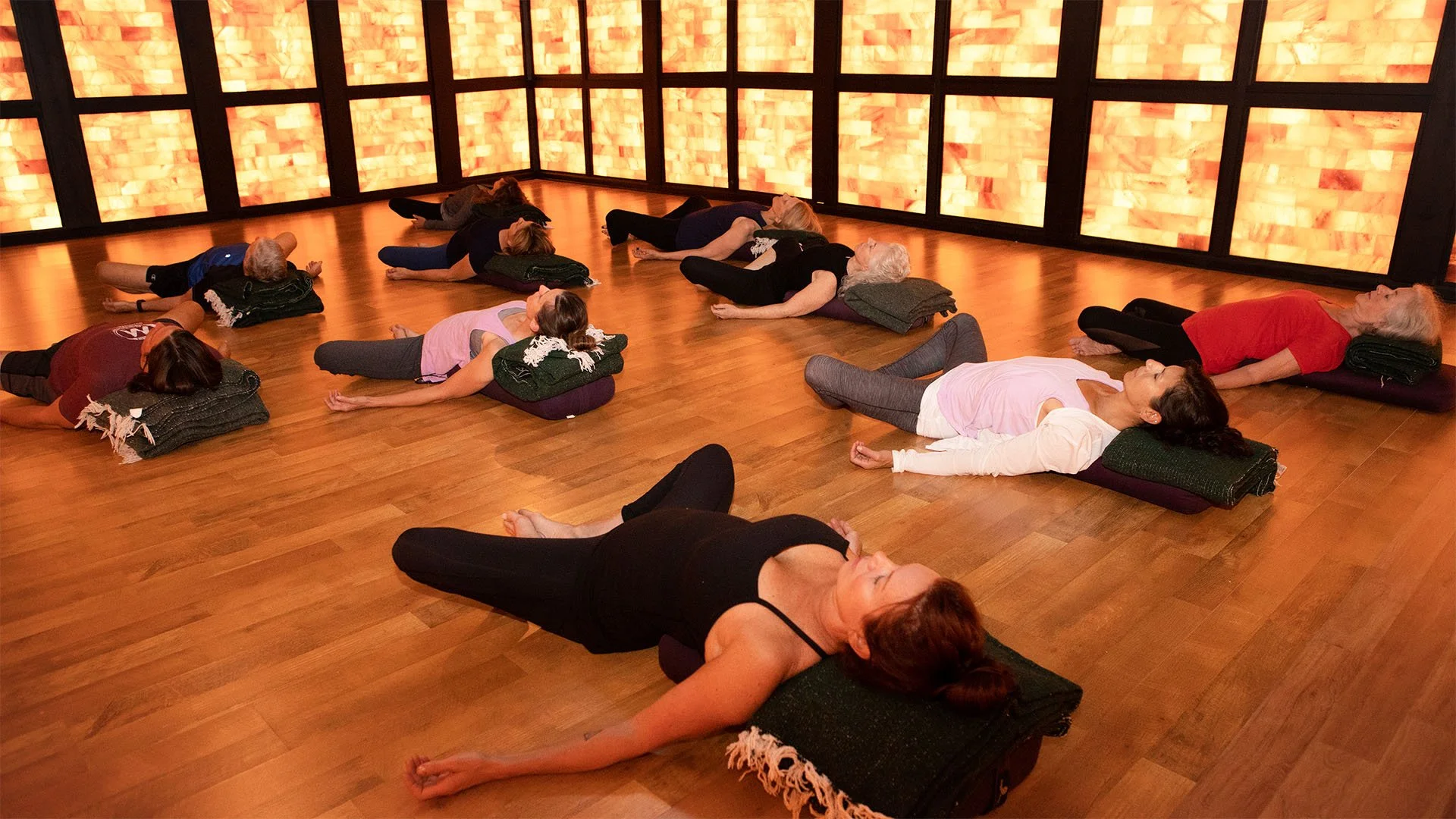
If you’ve been practicing at Prana Yoga Center for a while, you’ve likely explored many different styles of yoga. Perhaps you even tried something new during our recent Yoga Passport program and discovered a practice that surprised you.
But have you heard of Yoga Nidra?
Yoga Nidra is a guided meditation practice, often called “yogic sleep,” that allows the body to rest deeply while the mind remains gently aware. This Yoga Nidra meditation practice is designed to support deep relaxation, nervous system regulation, and mental clarity.
During the practice, you lie comfortably while a teacher guides you through a series of awareness techniques that allow the body to relax deeply while the mind remains gently aware.
Rooted in ancient yogic traditions, Yoga Nidra is designed to support deep rest, nervous system regulation, and mental clarity. Many people practice it to reduce stress, improve sleep, and reconnect with a sense of calm.
Whether you’re feeling burned out, sleep-deprived, overwhelmed by stress, or simply curious about what it means to truly rest, Yoga Nidra may be exactly what your body and mind have been asking for.
The Top 3 Benefits of Yoga Nidra
1. Profound, Restorative Rest
In today’s world, exhaustion has become almost normal. Yet there is an important difference between sleep and deep rest, and Yoga Nidra helps bridge that gap.
During the practice, the body settles into a state of complete physical relaxation while the mind remains gently aware. Many practitioners report that a 45-minute Yoga Nidra session can feel deeply restorative — sometimes comparable to several hours of sleep.
You may leave the practice not just less tired, but genuinely renewed.
2. Stress and Anxiety Relief
Yoga Nidra supports the nervous system in shifting from the stress-driven fight-or-flight response into the body’s natural rest-and-restore state.
As the practice unfolds, brain activity often moves from beta waves (our active thinking state) into slower alpha and theta patterns — the same states we experience in the moments just before sleep.
In this deeply relaxed state, the body begins to reduce stress hormone production while activating the parasympathetic nervous system. With regular practice, many people experience:
• reduced stress and anxiety
• improved emotional balance
• greater nervous system resilience
Simply put, Yoga Nidra helps your body remember what calm actually feels like.
3. Access to Deeper Healing and Insight
One of the most meaningful aspects of Yoga Nidra is the way it gently opens the doorway to the subconscious mind.
In this quiet space between waking and sleep, the mind becomes especially receptive. Many Yoga Nidra practices include a sankalpa, a short positive intention that is repeated during the practice.
Over time, this intention can begin to influence the deeper patterns that shape our thoughts, emotions, and behaviors. People often use Yoga Nidra to:
• release old emotional patterns
• support healing and self-reflection
• reconnect with a deeper sense of purpose and clarity.
In Yoga Nidra, the body rests completely while the mind remains quietly awake — a rare state where deep restoration can happen.
3 Things Most People Don’t Know About Yoga Nidra
1. You Don’t Have to Be “Good” at Meditation
If you’ve tried meditation and felt frustrated by a wandering mind, you’re not alone.
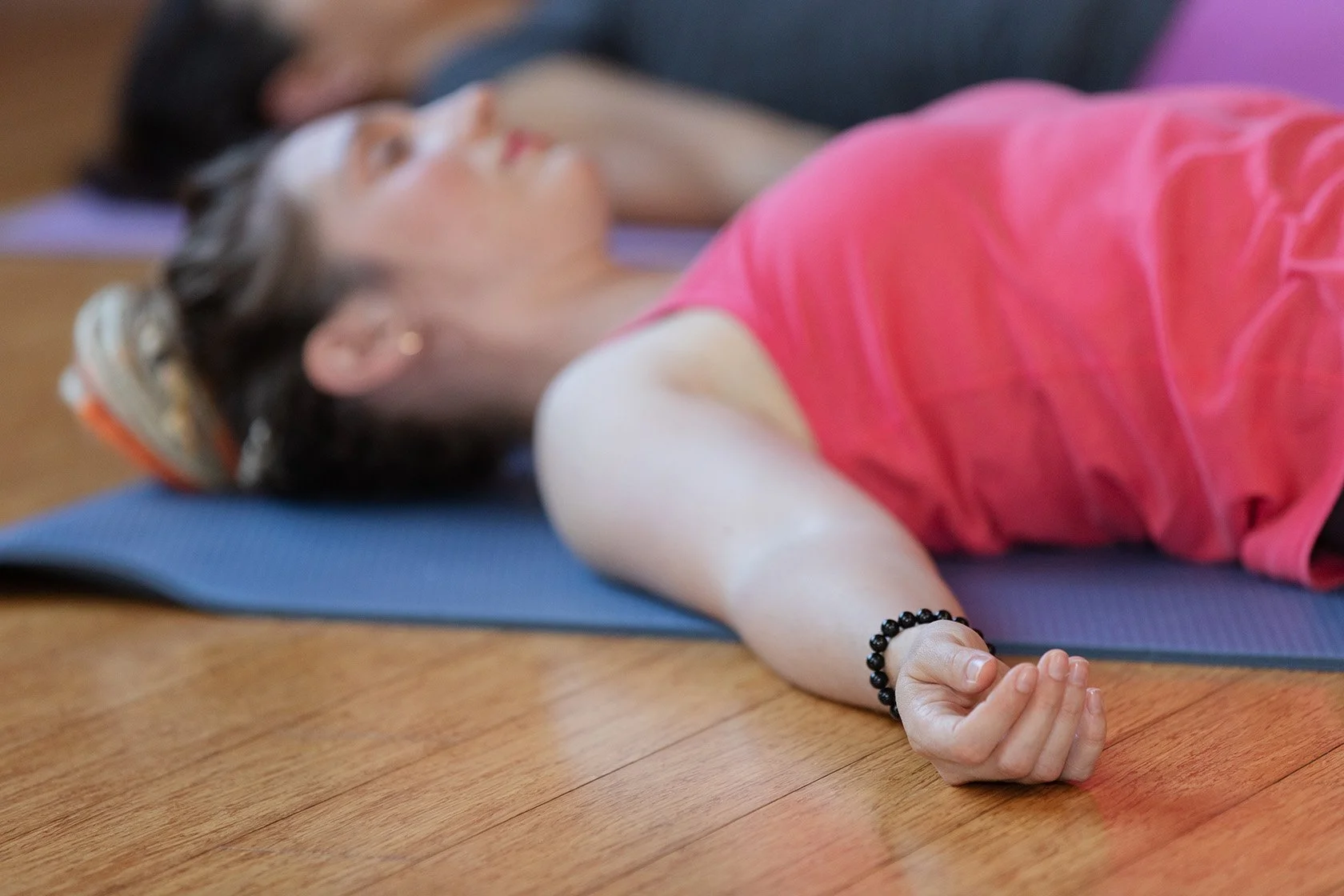
Yoga Nidra requires no concentration, no effort, and no special skill. All you do is lie down and listen as the teacher guides you step by step through the experience.
There’s nothing to perform and nothing to achieve. Even if you briefly drift toward sleep, the body and mind still receive the benefits of the practice.
There is truly no way to do Yoga Nidra wrong.
2. It’s an Ancient Practice with Modern Science Behind It
Yoga Nidra has roots in ancient yogic and Tantric traditions and was later systematized in the 20th century by Swami Satyananda Saraswati.
Today, modern neuroscience is beginning to explore what yogis have long understood. Studies using EEG technology suggest Yoga Nidra produces brainwave patterns associated with deep relaxation, creativity, and restoration — patterns many people rarely access during everyday life.
This blending of ancient wisdom and modern research is one of the reasons Yoga Nidra continues to gain recognition around the world.
3. It Can Be Practiced in as Little as 10–20 Minutes
While longer sessions offer a deep and immersive experience, even 10 to 20 minutes of Yoga Nidra can help reset the nervous system.
Because the practice requires so little effort, it’s one of the most accessible tools for restoring energy during a busy day.
You can practice:
• before bed
• during a lunch break
• after a stressful day
• anytime your body needs rest
The Top 3 Myths About Yoga Nidra
Myth 1: It’s Just a Fancy Nap
At first glance, Yoga Nidra may look like simply lying down with your eyes closed. But the practice is actually a carefully guided journey through stages of awareness.
A trained teacher leads you through body awareness, breath observation, visualization, and other techniques designed to gradually release tension and deepen relaxation.
The goal is to remain at the edge of sleep while staying gently aware — a state that offers powerful restorative effects.
Myth 2: You Need to Be Flexible or “Into Yoga”
Yoga Nidra requires no physical ability at all.
There are no poses to master and no flexibility required. The practice is typically done lying down comfortably, though it can also be done seated if needed.
Because of its accessibility, Yoga Nidra can be practiced by people of all ages, backgrounds, and levels of experience.
Myth 3: It’s Only About Relaxation
Relaxation is certainly part of the experience — but it’s only the beginning.
Yoga Nidra has been studied in therapeutic settings to support:
• recovery from PTSD (including through the iRest protocol)
• improved sleep for those with insomnia
• chronic pain management
• emotional healing and resilience
The relaxation opens the door. What unfolds inside that quiet space can be deeply transformative.
3 Simple Ways to Practice Yoga Nidra in Everyday Life
1. Make It Your Evening Wind-Down Ritual
One of the easiest ways to begin practicing Yoga Nidra is in the evening.
Instead of ending the day with screens or scrolling, try lying down with a guided Yoga Nidra recording 30–60 minutes before bedtime.
Many people find this simple shift helps them fall asleep more easily and experience deeper, more restorative sleep.
2. Use It as a Midday Reset
If your afternoons often bring a drop in energy, a 15–20 minute Yoga Nidra practice can be surprisingly refreshing.
Unlike a nap, which can sometimes leave you groggy, Yoga Nidra often leaves people feeling calm, alert, and mentally clear.
It can be a powerful way to reset during a busy workday.
3. Practice in a Guided Group Setting
While recordings are helpful, practicing Yoga Nidra in person with an experienced teacher offers a unique depth.
The quiet of the room, the rhythm of the teacher’s voice, and the shared stillness of the group create an atmosphere that allows the nervous system to settle more fully.
Many students find this shared experience profoundly grounding.
Frequently Asked Questions About Yoga Nidra
-
During Yoga Nidra, you lie comfortably on your back while a teacher guides you through a series of awareness practices. These often include body scanning, breath awareness, visualization, and moments of quiet reflection. The goal is to allow the body to relax deeply while the mind remains gently aware.
-
Yoga Nidra is sometimes described as a form of meditation, but the experience is slightly different. Traditional seated meditation often asks you to focus or concentrate, while Yoga Nidra guides you step by step through a structured process that leads the body into deep relaxation while maintaining awareness.
-
Yes. Yoga Nidra is one of the most beginner-friendly practices in yoga. There are no physical poses and no prior experience required. All you need to do is lie down, get comfortable, and follow the guidance of the teacher.
-
Yoga Nidra can support better sleep by helping the nervous system shift into a deeply relaxed state.
During the practice, the body settles into physical stillness while the mind is guided through breath awareness and body relaxation. Many people find that regular Yoga Nidra practice helps them fall asleep more easily and experience deeper, more restorative sleep. Students at Prana Yoga Center often explore Yoga Nidra as a way to unwind in the evening and support deeper sleep. -
Even practicing once a week can support relaxation and nervous system balance. Some people enjoy shorter sessions several times a week, while others attend guided classes periodically. Like many wellness practices, the benefits often deepen with regular practice.
-
Prana Yoga Center in Geneva, Illinois offers guided Yoga Nidra sessions designed to support deep relaxation, better sleep, and nervous system healing.
During these sessions, students lie comfortably while a teacher guides them through a sequence of awareness practices that allow the body to rest deeply while the mind remains gently aware.
Students from Geneva, St. Charles, Batavia, and across the Fox Valley visit Prana Yoga Center to experience this deeply restorative practice.
-
Yoga Nidra often feels like a state between waking and sleep.
The body becomes deeply relaxed while the mind remains gently aware. Many people describe the experience as floating, drifting, or resting in a quiet space where tension begins to dissolve.Some people remain aware of the teacher’s voice throughout the practice, while others briefly drift toward sleep and return to awareness again. Both experiences are completely normal.
By the end of the session, many students report feeling calm, grounded, and deeply rested.
Sometimes the most powerful thing we can do for our well-being is simply allow ourselves to rest.
Explore More About Yoga Nidra
If you're curious about the deeper benefits of the practice, you may also enjoy:
Experience Yoga Nidra at Prana Yoga Center
Prana Yoga Center in Geneva, Illinois offers monthly Yoga Nidra sessions designed to support deep relaxation, better sleep, and nervous system healing.
Students from Geneva, Batavia, St. Charles, and across the Fox Valley visit the studio to experience this deeply restorative practice in a peaceful and supportive space.
If your body has been asking for rest, Yoga Nidra may be the practice you've been waiting for. You're warmly invited to join us.
On Saturday, March 21 at 3:30 PM, Kathryn Carr will guide a monthly Yoga Nidra: Rest + Restore workshop in Prana’s Himalayan Salt Room. Register here.
The warm amber glow of the salt walls, the calming environment, and Kathryn’s thoughtful guidance create a setting designed for deep rest and nervous system healing.
Whether this is your first experience with Yoga Nidra or a return to a familiar practice, you are welcome exactly as you are.
Spaces are intentionally limited to preserve the quiet atmosphere of the room.
If your body has been asking for rest, this may be the practice you’ve been waiting for.
👉 Reserve your spot and experience yourself the deep rest of Yoga Nidra for yourself.