
Build Stability from the Inside Out: Yoga, Breath & Core Support
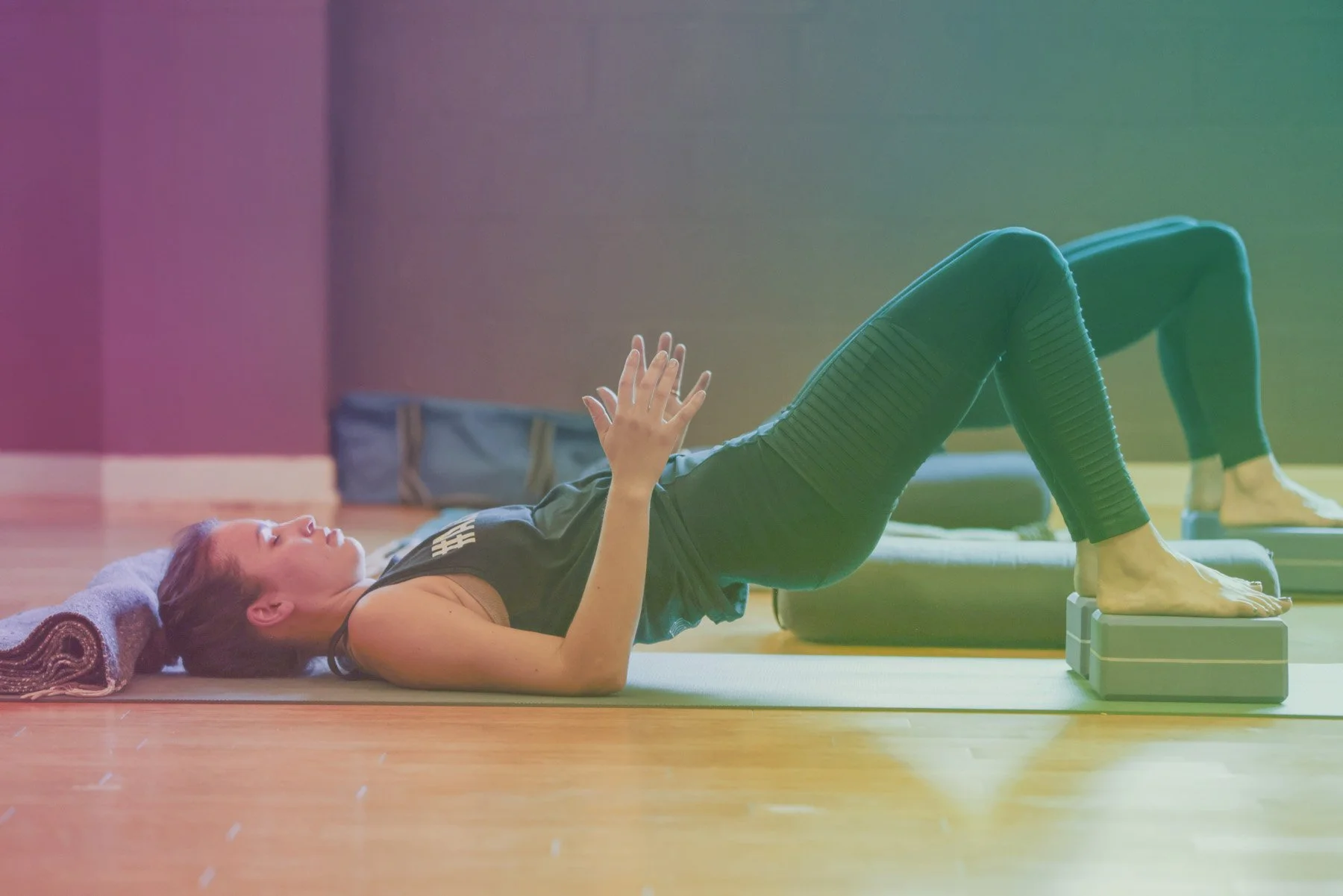
Core stability in yoga refers to the body’s ability to support the spine through coordinated breath, deep muscle engagement, and efficient movement—without excessive tension or strain.
Reconnecting With Your Body’s Natural Intelligence
Before you ever stepped into a yoga class—before posture cues, core engagement, or breathing techniques—your body already knew how to move in a beautifully organized, intelligent way. As a baby, you didn’t think about alignment or strength. Your body naturally learned how to roll, sit, crawl, kneel, and stand.
Over time, stress, injury, habits, and the pace of modern life can interfere with these natural movement patterns. Without realizing it, the body may begin to rely on excess effort, tension, or compensation—especially around the spine and joints. Movement can start to feel heavy, unstable, or strained.
Yoga offers a powerful opportunity to reconnect with your body’s original blueprint for movement—one that prioritizes support, efficiency, and ease rather than force.
Why Does Your Foundation Matter More Than You Think?
In yoga, cues like “engage your core,” “lengthen your spine,” or “stabilize through your center” are common. But for many people, these cues translate into gripping the abdominal muscles, holding the breath, or tensing the shoulders and jaw.
While effort may feel productive, it doesn’t always create true support.
Your body is designed to stabilize itself through a natural partnership between breath, deep core muscles, and the spine. When this system works well, you feel supported without rigidity. Movement becomes smoother, lighter, and more coordinated.
Practices that emphasize this internal support system help retrain the body to move with stability that feels sustainable—not forced.
What Is the Developmental Sequence?
The developmental sequence refers to the natural stages of movement your body explored during infancy:
Rolling
Lying on the back and belly
Propping up on the arms
Sitting
Crawling
Kneeling
Standing
These stages weren’t random. Each one helped your nervous system learn how to stabilize the spine, coordinate the limbs, and breathe in a way that supports movement.
Even in adulthood, these positions hold valuable information. When revisited intentionally, they offer a pathway to:
Reset inefficient movement patterns
Improve balance and coordination
Build strength from the inside out
Reduce unnecessary tension
Support spinal health
In a yoga context, these shapes can be explored slowly and mindfully, allowing the body to rediscover how stability naturally emerges from the ground up.
Breath: A Foundation for Stability, Not Just Relaxation
Breath is often associated with relaxation—and while that’s important, breath also plays a central role in how the body stabilizes itself.
When breathing patterns are full and responsive, the rib cage, diaphragm, and deep core muscles work together to support the spine from within. This creates a sense of internal lift and ease that allows movement to feel both strong and fluid.
When breathing is shallow or restricted, the body may compensate by gripping or collapsing—often in the low back, neck, or shoulders.
Breath-led movement practices, such as those found in Prana’s breath-centered and foundational yoga classes, encourage awareness of how breathing supports posture, balance, and coordination, helping strength arise without excess effort.
A Different Way to Think About Core Strength
Core strength isn’t about bracing or holding tension. It’s about responsiveness.
When movement is supported by breath and deep muscular coordination, the core engages naturally—adapting moment by moment as the body shifts, reaches, and stabilizes. This kind of support feels spacious rather than rigid.
Slowing down movement, exploring transitions, and paying attention to how the body organizes itself can reveal a quieter, more sustainable form of strength—one that carries over into everyday life.
How This Translates Beyond the Mat
The benefits of this approach extend well beyond yoga practice.
As the body relearns efficient movement patterns, many people notice changes in:
How they sit at a desk
How they stand and walk
How they lift and carry objects
How they breathe during stress
How their spine feels throughout the day
This work isn’t about mastering poses—it’s about cultivating awareness and support that you can carry into daily movement, exercise, and rest.
How to Begin Exploring This in Your Own Practice
Move more slowly between positions
Notice your breath before engaging muscles
Spend more time closer to the ground
Release effort in the jaw, shoulders, and neck
Who This Approach Is For
This style of practice is accessible to all levels.
You don’t need to be flexible or experienced. You don’t need to understand anatomy. Curiosity and awareness are enough.
This approach may be especially supportive if you:
Want strength without strain
Feel tense or unsupported in certain poses
Have a history of back, neck, or movement discomfort
Want to better understand how your body works
Are interested in how breath and movement work together
Whether you’re new to yoga or have practiced for years, returning to foundational movement patterns can offer fresh insight and ease.
Returning to Your Foundation
Your body is deeply intelligent. It has always known how to stabilize, support, and move with efficiency.
Sometimes, the most powerful shifts don’t come from doing more—but from remembering what’s already there.
When you return to your foundation, everything above it becomes more stable.
Explore This Work in a Guided Setting
This foundational approach to movement is sometimes explored more deeply through guided workshops that combine mindful yoga, breath education, and functional movement principles.
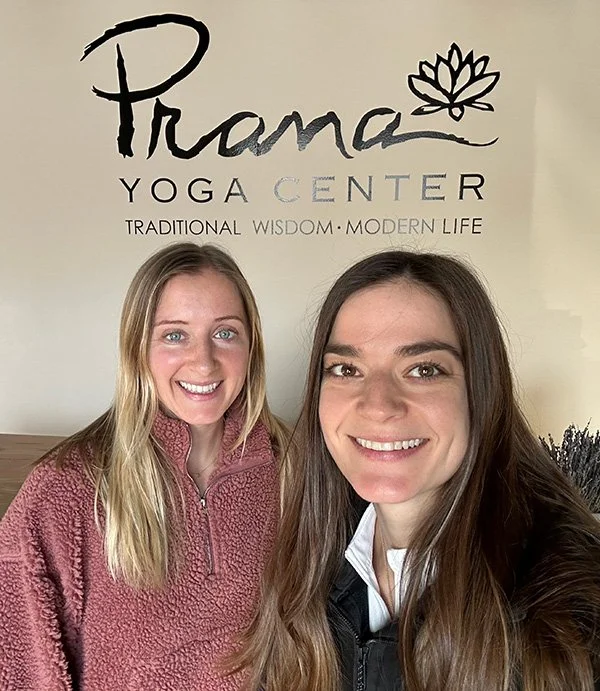
Dr Sam O’Brien (L) and Jessica Taddeo (R)
One such offering brings together yoga teacher and occupational therapist Jessica Taddeo and chiropractor Dr. Sam O’Brien of The Hive Wellness Center.
Together, they guide students through a slow, educational practice inspired by the developmental sequence—helping participants feel how breath, core support, and alignment work together to create stability from the inside out.
Build Stability from the Inside Out: Yoga, Breath & Core Support
Monday, February 9, 2026
6-7:30pm
Where in your body might you be working harder than necessary—and what might change if you allowed more support instead?
This article reflects movement education principles commonly explored in yoga, breath-based practices, and functional movement.