
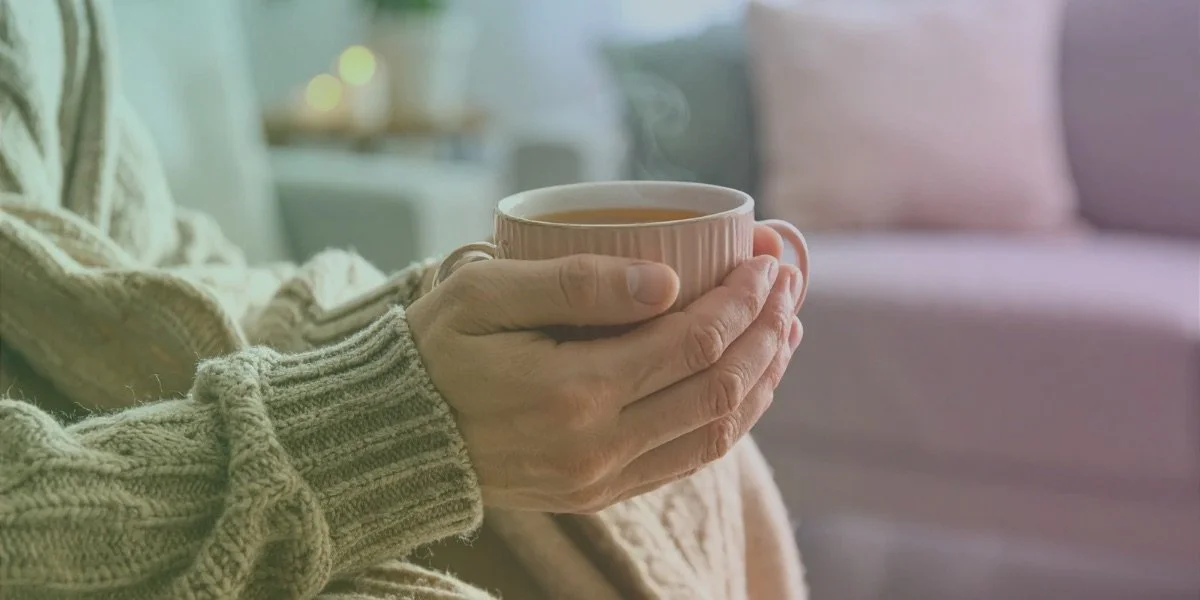
by Emily Ford, Prana Yoga Center certified yoga teacher and Ayurvedic Wellness Counselor
A simple guide from an Ayurvedic lens
We've just started settling into the rhythm of the time change (well, most of us!), and the colder months are here, along with the holiday season.
You may have already started shopping for your loved ones, planning gatherings, or thinking about all the ways you'll give to others. And that's something special about this time of year.
But we're so used to giving. What about receiving? And making time to care for yourself?
In the ancient wisdom of Ayurveda, the colder, darker months invite us to slow down, nourish ourselves, and honor the need for rest. They also remind us to enjoy the company of people who allow us to simply be, without the extra work of preparing, planning, or hosting.
To my hostess friends: yes, you may love bringing people together! Just remember to protect some of your energy and set aside time for yourself before or after.
In Ayurveda, late autumn and early winter are often associated with Vata, the qualities of air and ether (space). This season is traditionally described as cool, dry, and changeable. Add the movement and busyness of the holidays, and it's easy to see why a little extra rest and nourishment can feel so welcome.
Receiving care is a practice, too. Sometimes it begins with simply letting someone help.
As you move through the holidays, try weaving in a few simple, intentional practices. Think of them as little gifts to yourself, gentle ways to slow down and fully receive the season.
Simple Ways to Receive
For many of us, receiving is harder than giving. We wave off help, deflect compliments, and apologize when someone hands us a gift.
This season, practice letting love land. Spend time with people who fill you up rather than drain you.
Say yes to help. When someone offers to bring a dish, do the dishes, or pick up the kids, let them.
Receive with a simple "thank you." No "oh, you shouldn't have." Just pause, take it in, and say thanks.
Choose easy togetherness. A cozy walk, tea on the couch, or a potluck where everyone brings something. These are the visits that allow you to enjoy being together without extra work.
Hosting? Let it be shared. Invite guests to contribute, and plan a quiet morning before or a slow evening after.
Let "no" be complete. Declining what drains you leaves more room for what matters.
Savor the Season's Table
Holiday meals are gifts, whether you made them or someone made them for you.
Ayurveda isn't about skipping the cookies. It's about slowing down, enjoying your food, and paying attention to how you feel.
In Ayurveda, digestion is associated with agni, often described as our digestive fire. Traditional Ayurvedic practices encourage mindful eating and choosing foods that feel nourishing and satisfying.
Here are a few ways to bring that awareness to your holiday table.
Let someone else cook. Accept the invitation, the leftovers, or the plate of cookies from a neighbor. Being fed is a beautiful way to receive.
Sit down and savor. Eat seated, put away your phone, and notice the flavors, the company, and the care that went into the meal.
Favor warm, cooked foods. Soups, stews, and roasted root vegetables are traditionally recommended in Ayurveda during Vata season.
Welcome warming spices. Ginger, cinnamon, cardamom, and nutmeg are commonly used in Ayurvedic cooking, and they're already part of so many holiday favorites.
Enjoy the treat without guilt. There's room for your favorite holiday foods. A warm cup of ginger tea afterward can be a comforting way to finish the meal.
A Little Ayurvedic Wisdom for Holiday Meals
Enjoy the feast, and give yourself time to savor it.
On the day of a big holiday meal, consider eating simple, satisfying meals earlier in the day rather than arriving overly hungry.
One traditional Ayurvedic practice is to enjoy a thin slice of fresh ginger with a squeeze of lime and a pinch of salt before eating. It's an optional custom, not something everyone needs or that suits every stomach.
At the table, fill your plate with what you truly love and eat slowly enough to notice when you're comfortably satisfied.
Ayurveda traditionally suggests leaving a little space in the stomach rather than eating until completely full.
And if you do overindulge (it happens!), skip the guilt. Return to your usual eating habits, or enjoy something simple like soup or kitchari when you're hungry again.
The goal isn't a perfect holiday meal. It's enjoying the experience and caring for yourself along the way.
Give Yourself the Gift of Oil
If there's one Ayurvedic ritual I'd wrap up and hand to you this season, it's abhyanga, warm oil self-massage.
It's a comforting way to care for dry winter skin, slow down, and experience the simple pleasure of receiving care from yourself.

Here's how to try it at home:
Warm the oil. Gently warm a few tablespoons of sesame oil, or sweet almond oil if you prefer, by setting the bottle in a mug of warm water.
Massage slowly. Use long strokes on your arms and legs, and gentle circles around your joints, belly, and chest.
Give yourself time. Let the oil rest on your skin for 5 to 15 minutes, then take a warm shower.
Two or three times a week is plenty. Even just oiling your feet before bed can become a comforting little ritual.
Choose an oil suitable for your skin, test a small area first if you're sensitive, and be careful of slippery surfaces.
Continue Your Ayurvedic Journey at Prana
Discover Your Dosha:
A Personalized Introduction to Ayurveda
If these simple practices have sparked your curiosity about Ayurveda, here's an opportunity to explore it more personally.
Through a private Ayurvedic Dosha Assessment with Emily Ford, you'll learn about your unique Ayurvedic constitution and the traditional principles of Vata, Pitta, and Kapha. Emily will help you explore how these insights can guide your approach to daily routines and self-care.
Whether you're new to Ayurveda or looking to deepen your understanding, it's an invitation to make a little more room for your own well-being.
BLACK FRIDAY SPECIAL
Ayurvedic Dosha Assessment — $85
Regularly $125 | Save $40
Special pricing available November 19–30, 2026.
Frequently Asked Questions
-
In Ayurveda, Vata is associated with the elements of air and ether (space), along with qualities such as coolness, dryness, and movement. Late autumn and early winter are commonly associated with Vata in many Ayurvedic traditions, although seasonal timing varies by climate and location.
-
Abhyanga is a traditional Ayurvedic practice of massaging the body with oil, often warmed. Many people enjoy it as a relaxing self-care ritual and a way to moisturize dry skin.
-
Not at all. You can begin with simple practices such as slowing down during meals, making time for rest, or trying a gentle self-massage. If you'd like more personalized guidance, Prana Yoga Center in Geneva, Illinois, offers private Ayurvedic consultations with Emily Ford.
Coming This February
Sneha, The Sacred Art of Self-Love
Looking ahead to February, Emily Ford and Shawna Serrato will lead a special two-hour experience exploring sneha, the Ayurvedic concept of oil and love.
Through self-care practices, Ayurvedic foot massage, restorative yoga, and sound healing, this workshop will offer another opportunity to slow down and receive.
More details are coming soon!
We'd Love to Hear From You
Sometimes the simplest acts of receiving can be the hardest to accept.
Tell us in the comments below: What's one thing you're permitting yourself to receive this holiday season? A little help, more rest, or simply time for yourself?