
Why Pilates Feels Easy Until It Doesn’t
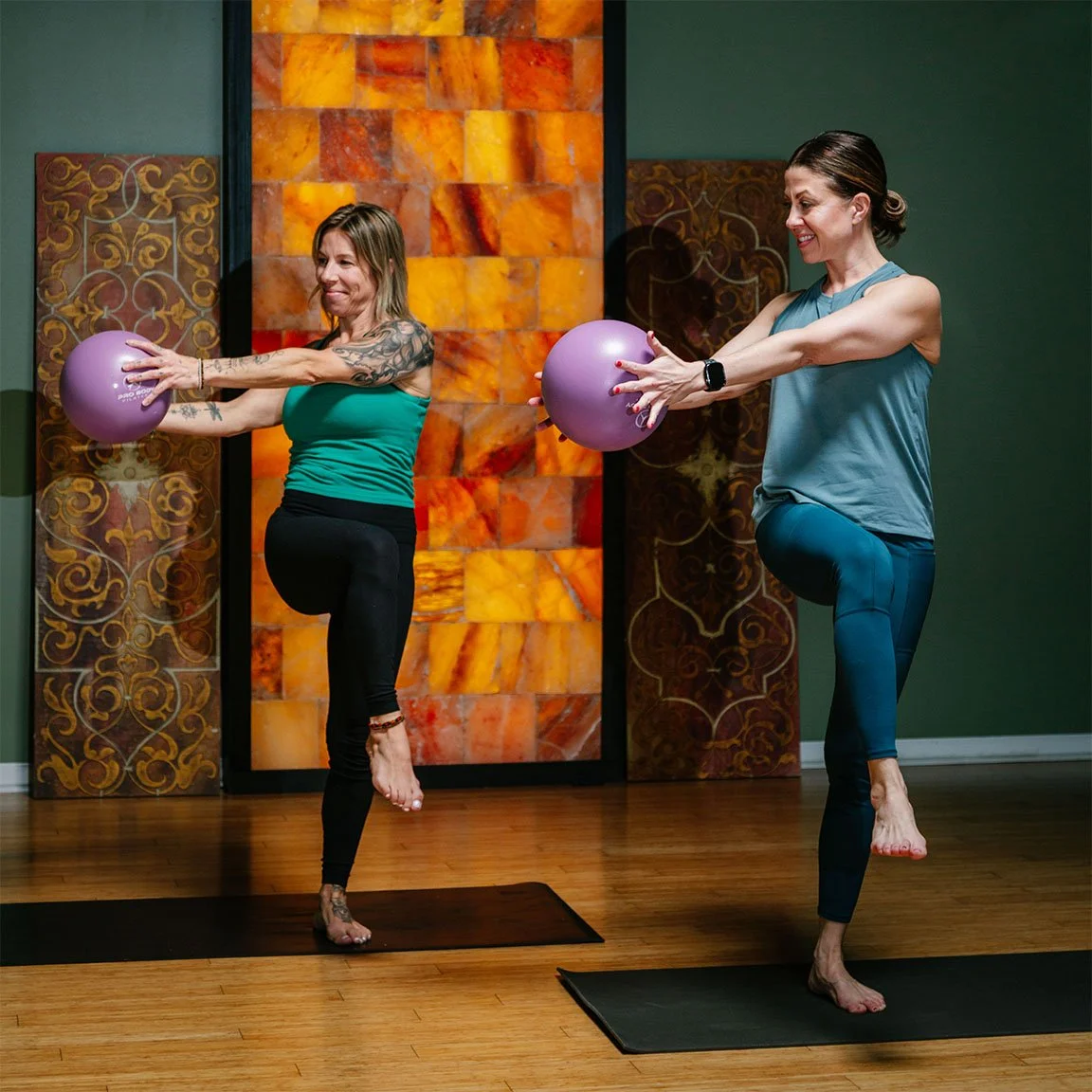
The Intelligence of Precision Over Power
You’ve probably been there before.
You roll out your mat, glance at the exercises, and think, This doesn’t look too hard.
No heavy weights. No jumping. No sprinting. No dripping sweat within the first two minutes. Compared to the intensity of HIIT classes or the grind of lifting heavy dumbbells, Pilates can appear almost gentle.
And then it happens.
A slow leg lift. A subtle adjustment of your core. A cue to “draw the ribs in” or “lengthen through the crown of your head.”
Suddenly, your muscles begin to shake. Your breath gets quieter. You feel deeply challenged in a way that’s hard to explain—and even harder to fake.
That’s the moment you realize: Pilates isn’t easy. It’s intelligent.
And that intelligence is rooted in one powerful principle: precision.
The Misunderstanding: Why Pilates Gets Underestimated
In a fitness world that often celebrates speed, sweat, and visible exertion, Pilates can be misunderstood.
You may have been conditioned to associate a “good workout” with:
High heart rates
Heavy resistance
Big, explosive movements
That exhausted, can’t-move-after feeling
Pilates doesn’t always check those boxes in obvious ways.
Instead, it asks you to slow down. To control. To refine. To pay attention.
And because of that, it is often underestimated.
But here’s the truth:
Pilates isn’t designed to exhaust you. It’s designed to educate your body.
Why Pilates Feels Easy… Until It Doesn’t
At first glance, many Pilates exercises seem simple.
A leg lift. A curl of the head and shoulders. A controlled stretch.
But the challenge lies beneath the surface.
Instead of relying on momentum, you’re asked to:
Move slowly
Stabilize deeply
Engage specific muscles with intention
Maintain alignment from start to finish
There’s no hiding. No rushing through reps. No compensating with bigger, stronger muscle groups.
When you move with precision, even the smallest movement becomes surprisingly demanding.
That shaking you feel is not weakness. It is your body learning how to organize, stabilize, and support itself in a new way.
Precision Over Power: The Heart of Pilates
Joseph Pilates, the creator of this method, believed that how you move matters as much as how much you move.
His principle of precision is not about perfection. It is about intention.
It is about:
Placing your body with awareness before you begin
Moving with presence instead of autopilot
Engaging the right muscles at the right time
Honoring the purpose of each exercise
In a world that often encourages you to do more, Pilates invites you to do better.
Precision transforms movement from something you perform into something you experience.
How Pilates Is Different from Other Workouts
Pilates does not need to replace other forms of exercise. In fact, it often makes them more effective.
Compared to cardio
Cardio focuses on endurance, heart health, and sustained movement.
Pilates builds the foundation that supports efficient movement: alignment, breath, core strength, and muscular balance.
Compared to lifting heavy weights
Strength training often emphasizes load and repetition.
Pilates emphasizes control and coordination. You are not just building strength—you are learning how to use it intelligently.
Compared to HIIT
HIIT often pushes intensity and speed.
Pilates slows things down so you can refine technique, improve body awareness, and build lasting strength from the inside out.
Think of Pilates as a bridge—the practice that connects your other workouts and helps your whole body move with more support, balance, and ease.
Why Pilates Is So Challenging in the Best Way
Pilates challenges you in a way that goes beyond physical effort.
It requires:
Focus — You cannot fully zone out and still move with precision.
Body awareness — You begin to notice patterns, imbalances, and habits.
Control — Every movement is intentional, not reactive.
Patience — Progress comes from consistency, not force.
It is not about pushing harder.
It is about paying closer attention.
And that is what makes it powerful.
How to Bring Precision Into Your Mat Pilates Practice
When you step into a Mat Pilates class, especially if you are new, it is natural to wonder if you are “doing it right.”
Here are a few simple ways to begin practicing with more precision.
1. Slow Down More Than You Think You Should
If you feel tempted to rush, that is usually your cue to go slower.
Precision lives in control, not speed.
2. Listen to the Small Cues
“Draw your ribs in.”
“Lengthen your spine.”
“Relax your shoulders.”
These are not throwaway instructions. They are the heart of the work.
Small adjustments often create the biggest shift.
3. Focus on Quality Over Quantity
Ten precise repetitions will always serve you better than thirty rushed ones.
Pilates is not about getting through the movement. It is about being present enough to understand it.
4. Connect to Your Breath
Your breath is not just there to keep you going.
It guides your movement, supports your core, and helps you stay connected to your body.
5. Be Okay with the Shake
That shaking sensation? That is where the work is happening.
Stay with it. Breathe through it. Trust it.
Your body is learning.
Why Pilates and Yoga Work So Well Together
Pilates and yoga are different practices, but they complement one another beautifully.
Yoga often helps you connect mind and body through breath, presence, flexibility, and flow.
Pilates refines that connection through precision, control, core strength, and alignment.
Together, they create balance.
They help you build a body that is not just strong, but resilient. Not just flexible, but supported. Not just active, but aware.
For yoga practitioners, Pilates can strengthen the deep stabilizing muscles that support your practice. For Pilates students, yoga can bring more spaciousness, breath, and ease into movement.
Both practices invite you to listen more closely to your body.
And both remind you that movement can be strong without being forceful.
Celebrating National Pilates Month
This month, we celebrate not just a method of movement, but a philosophy that has transformed how many people understand the body.
Joseph Pilates once said, “Physical fitness is the first requisite of happiness.”
His work has stood the test of time because it meets you where you are—whether you are brand new to movement or deeply experienced.
Pilates teaches you how to:
Move with intention
Build strength without strain
Improve posture and alignment
Support your body for the long term
Develop deeper body awareness
Perhaps most importantly, Pilates reminds us that exercise does not have to be punishing to be effective.
It is not about doing more. It is about doing it better.
An Invitation to Experience It for Yourself
Reading about Pilates is one thing.
Feeling it is something else entirely.
That moment when a “simple” movement challenges you more than expected—that is when it clicks.
That is when you begin to understand the intelligence behind the practice.
And that is when Pilates can begin to change the way you move, both on and off the mat.
Have you ever had a movement look simple at first—only to realize it asked more of you than you expected?
Join Us for a Free Pilates Fusion Class
In honor of National Pilates Month, we invite you to experience this for yourself.
Join us for a FREE Pilates Fusion class:
Saturday, May 16, 2026
11:15 AM–12:15 PM
with Chrissa
Prana Yoga Center | Geneva, IL
This unique class blends the precision of Pilates with the fluidity of Vinyasa yoga into one powerful, energizing experience.
You will explore:
The connection between these two movement practices
How control and flow can coexist
What it feels like to move with both strength and intention
How precision can support a more balanced, resilient body
Whether you are brand new to Pilates or already love the practice, this class is an opportunity to deepen your understanding—and maybe even surprise yourself.
Reserve your spot for the free Pilates Fusion class.
Frequently Asked Questions About Pilates
-
Muscle shaking during Pilates is common and often happens when smaller stabilizing muscles are working hard. It does not mean you are weak. It usually means your body is learning how to engage with more control, precision, and awareness.
-
Yes. Pilates often feels harder than it looks because the movements are slow, controlled, and precise. Instead of relying on speed or momentum, Pilates asks you to stabilize, breathe, and engage specific muscles with intention.
-
Yoga often emphasizes breath, mindfulness, flexibility, and flow. Pilates emphasizes core strength, alignment, control, and precision. Together, they create a balanced practice that supports strength, mobility, and body awareness.
-
Yes. Pilates can be accessible for beginners because movements can be modified, slowed down, and adapted. The key is to focus on quality over quantity and allow your body to build strength and awareness over time.
Final Thought
Pilates may look simple.
It may even feel easy—at first.
But when you begin to move with precision, everything changes.
You stop going through the motions.
You start understanding them.
And in that shift, you discover something powerful:
It is not about doing more. It is about doing it better.