
YOUR BRAIN IS NOT BROKEN —IT’S TRYING TO WORK FOR YOU
How Yoga can become one of the most Supportive tools in your toolkit
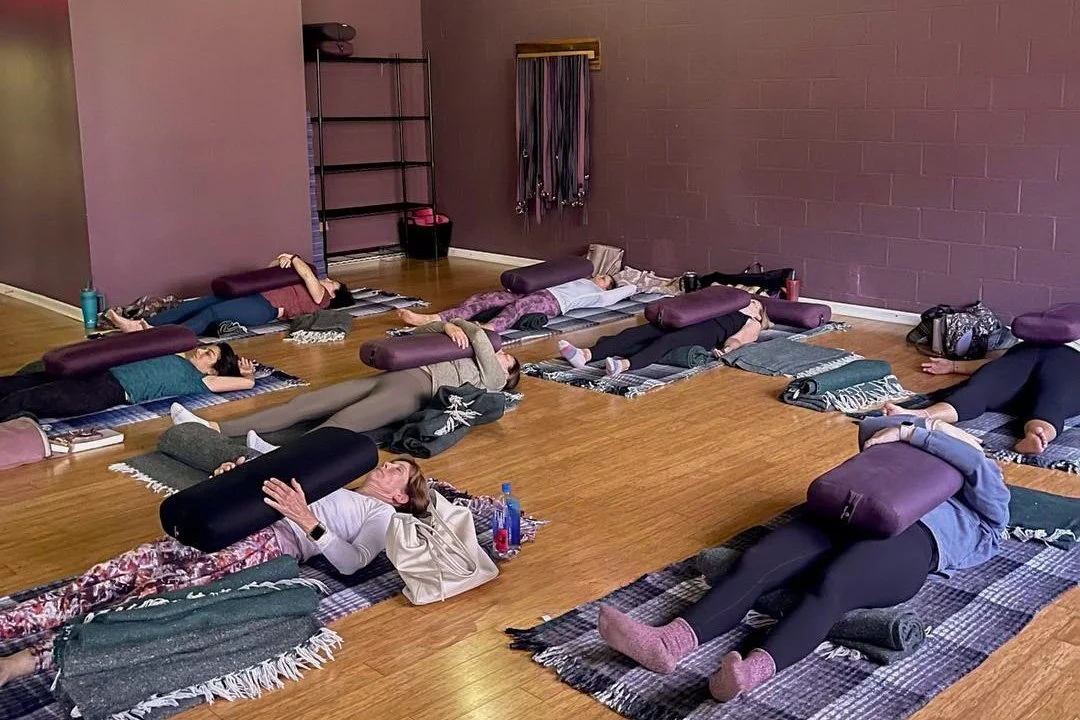
Something in this may have caught your attention.
You may have always sensed your mind works a little differently.
Maybe you have a diagnosis. Maybe you don’t.
.Either way, it’s worth saying clearly:
There is nothing wrong with how your mind works.
Have you ever felt like your mind works differently— and you're still trying to figure out how to support it?
So, What Does Neurodivergent Actually Mean?
Neurodivergent simply means your brain functions differently from what’s considered typical.
It’s not a diagnosis—it’s an umbrella term.
It can include:
ADHD
Anxiety
OCD
Autism
Sensory processing differences
These aren’t flaws.
They’re real, neurological differences in how your system processes the world.
The neurodivergent brain isn’t deficient — it’s wired with different strengths, sensitivities, and needs.
And when those needs are supported, everything begins to shift.
The Body Is Part of the Brain’s Story
One of the most important things we now understand:
The brain and body are in constant conversation.
Your nervous system doesn’t just live in your head — it moves through your entire body.
For many neurodivergent individuals, challenges aren’t just mental.
They’re felt as:
Restlessness
Tension
Overwhelm
A constant sense of being “on”
The nervous system can get stuck in:
Hyperarousal (overactive, anxious)
Hypoarousal (foggy, shut down)
Both are real.
Both are exhausting.
And this is where yoga becomes something more than movement.
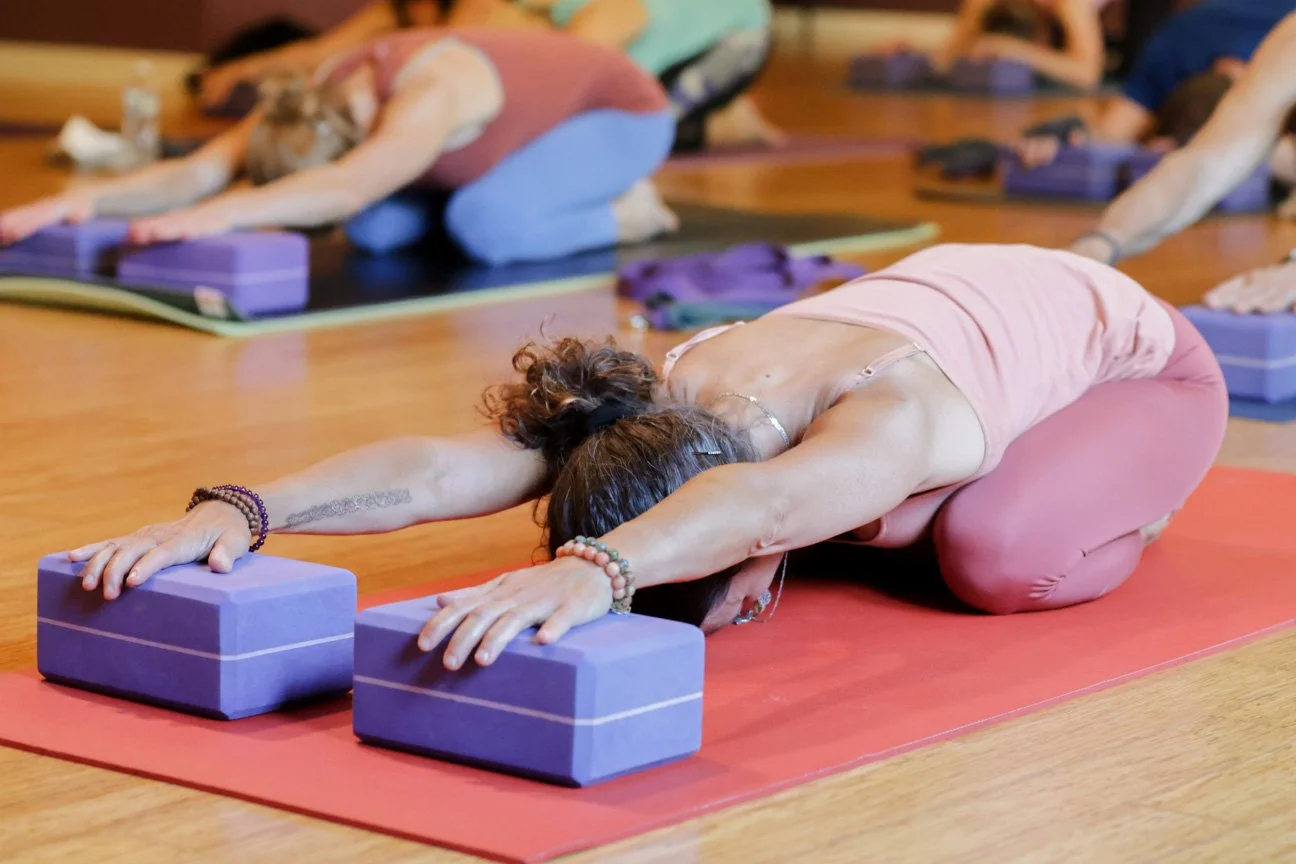
What Yoga Can Actually Do
Yoga is not about forcing stillness.
It gives your nervous system a different kind of experience.
Slower, breath-centered practices like Yoga Nidra and Restorative Yoga can help:
For Focus & Attention
Breath-linked movement creates a moving anchor for attention.
Instead of forcing stillness, you give the mind something steady to follow.
For Anxiety & OCD
Breathing practices activate the parasympathetic nervous system — your body’s “rest and safety” mode.
Over time, your system learns:
it can come back down.For Sensory Regulation
Yoga provides gentle, grounding input through movement and pressure.It also offers something many people deeply need:
predictability.For Emotional Regulation
Yoga builds awareness of what you feel — without immediate reaction.
That small pause becomes powerful.
This is exactly the kind of support we’ll be exploring together in our upcoming Yoga and the Neurodivergent Brain workshop.
A supportive, guided workshop for real-life focus and regulation.
You don’t have to fix your brain. You can learn to work with it.
This Isn’t Just for You — It’s for Your Child, Too
If you’re a parent, you may already be thinking about your child.
The same tools that support adults can support kids — often even more naturally.
Simple practices like:
Breathing
Gentle movement
Body awareness
can become part of everyday life.
Not complicated.
Just consistent.
You Don’t Have to Figure This Out Alone
Understanding neurodivergence is one thing.
Knowing how to work with it in real life is another.
That’s where guided support can make all the difference.
Karissa James is hosting a workshop, Yoga and Neurodivergent Brain on Saturday, April 25, designed to bridge that gap — combining science, movement, and practical tools.
In this experience, you’ll explore:
A grounded look at how yoga supports the neurodivergent brain
Gentle, accessible movement
Tools for real-life moments of overwhelm
A calming restorative practice
You’ll leave with:
Practical tools you can actually use — beyond the mat.
This isn’t about performance.
It’s about support.
FAQs
-
Yes. Yoga supports focus, regulation, and nervous system balance.
-
No. Gentle practices are often the most effective.
-
Hatha, Restorative, and breath-centered practices.
-
Absolutely. These tools can support lifelong emotional regulation.
Final Note
Your brain doesn’t need to be fixed.
It needs to be understood.
Supported.
Worked with—not against.
And yoga, when approached thoughtfully, can become one of the most powerful tools to do exactly that.
Experience This Practice for Yourself
A supportive, guided workshop, Yoga and the Neurodivergent Brain, for real-life focus, regulation, and nervous system support. Through guided practice, you’ll explore simple ways to support your nervous system and create space to feel more steady, clear, and at ease.
Sunday, April 25 • Prana Yoga Center